
SOLD OUT
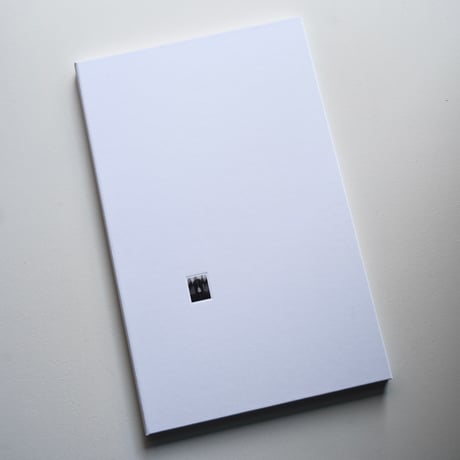
作品の構想から10年、「石と桃」が一冊の本として刊行されます。
ものの大小や遠近が現実と異なって見えたり、色覚・時間感覚に異常をきたすなど様々な症状が現れる「不思議の国のアリス症候群」。
十年前に症状の名を知った木村は写真表現を始めるのと同時期にこの症候群についての作品を作りたいと思うようになります。
展示や私家版などを通してこれまで繰り返してきた数々の実験では、ときに写真の歴史とも交差しながら、その感覚を作品に宿すことを試みてきました。
タイトルである「石と桃」は、モノトーン調の硬いものと発色のよい柔らかいものとが混ざり合う、木村が日常的かつ突発的に見ているイメージの一つを言語化したものです。
当初、その実現不可能性から本という形ではまったく想定されていなかったシリーズは、3年間5度にわたる展示を経て、時々の身体と向き合い、あたらしい要素を受け入れていくなかで徐々に形を得ていきました。
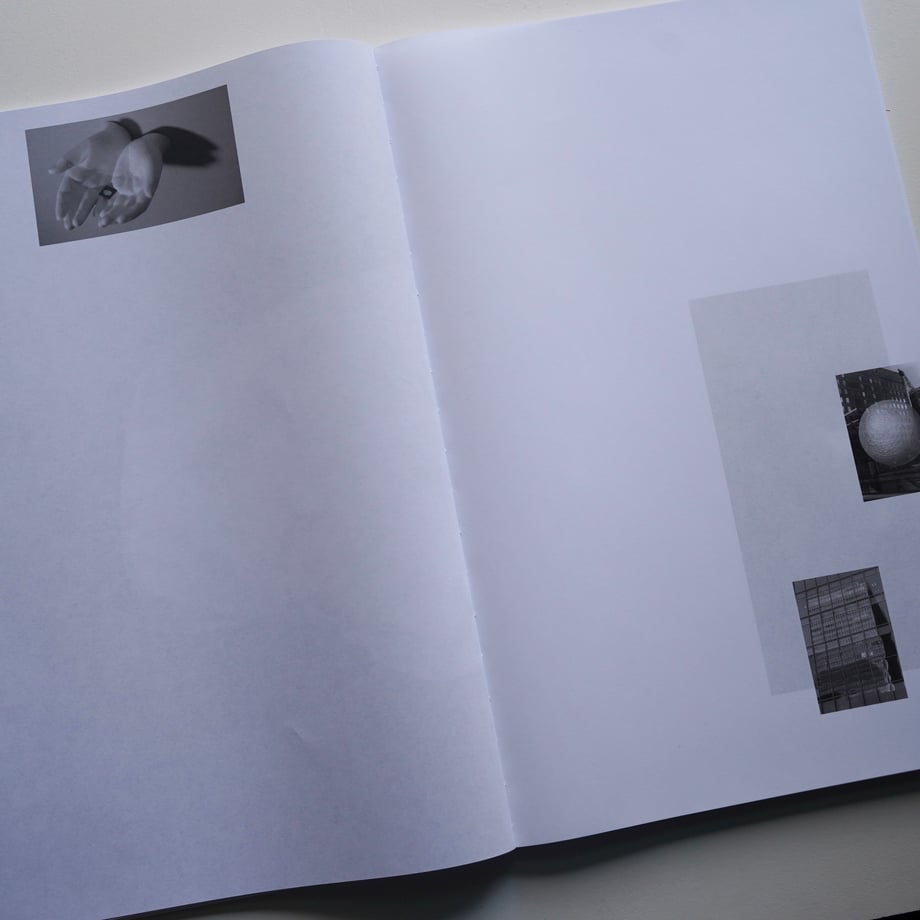
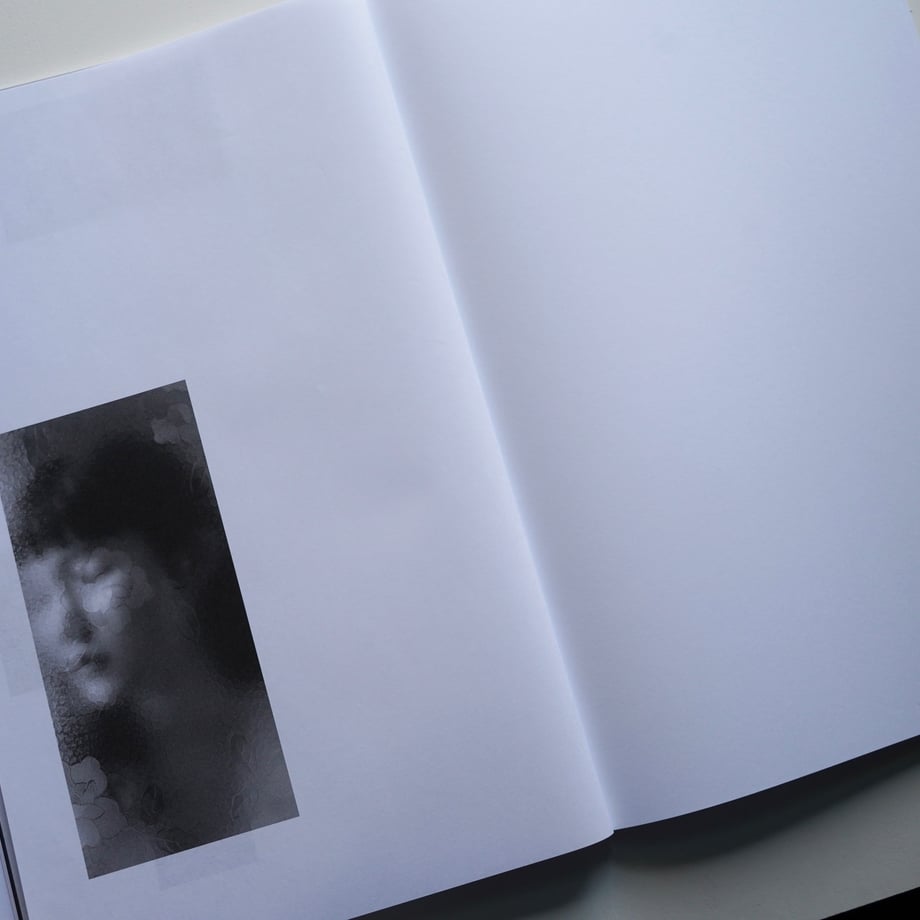
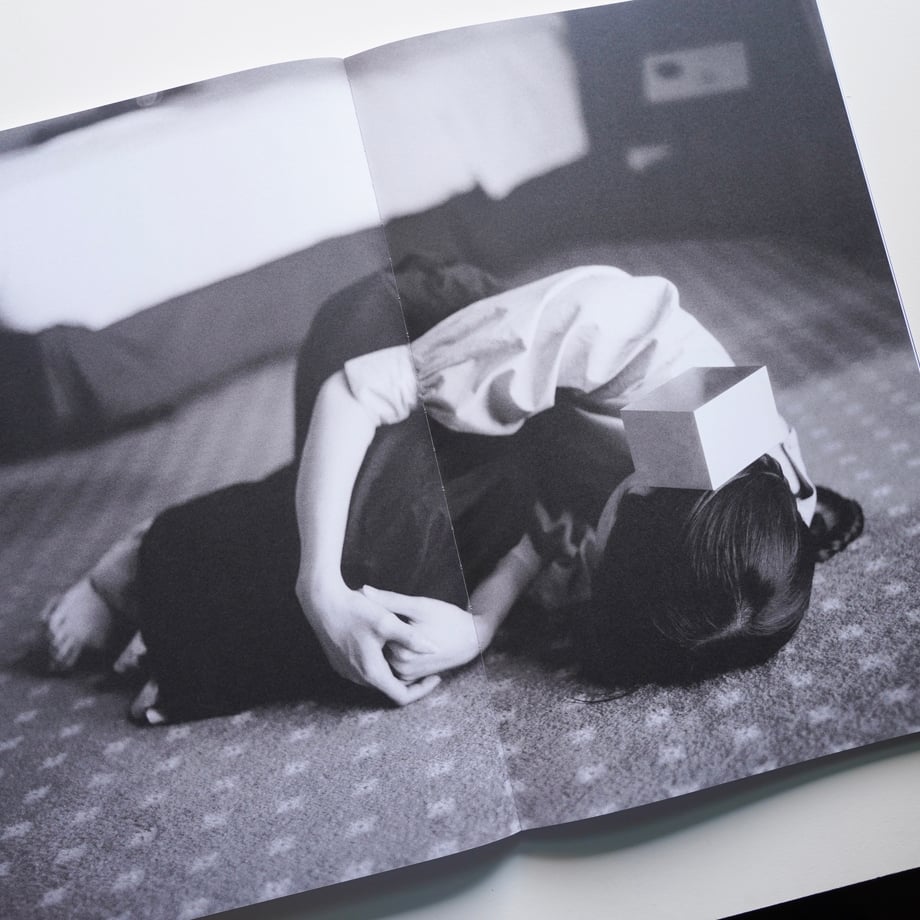
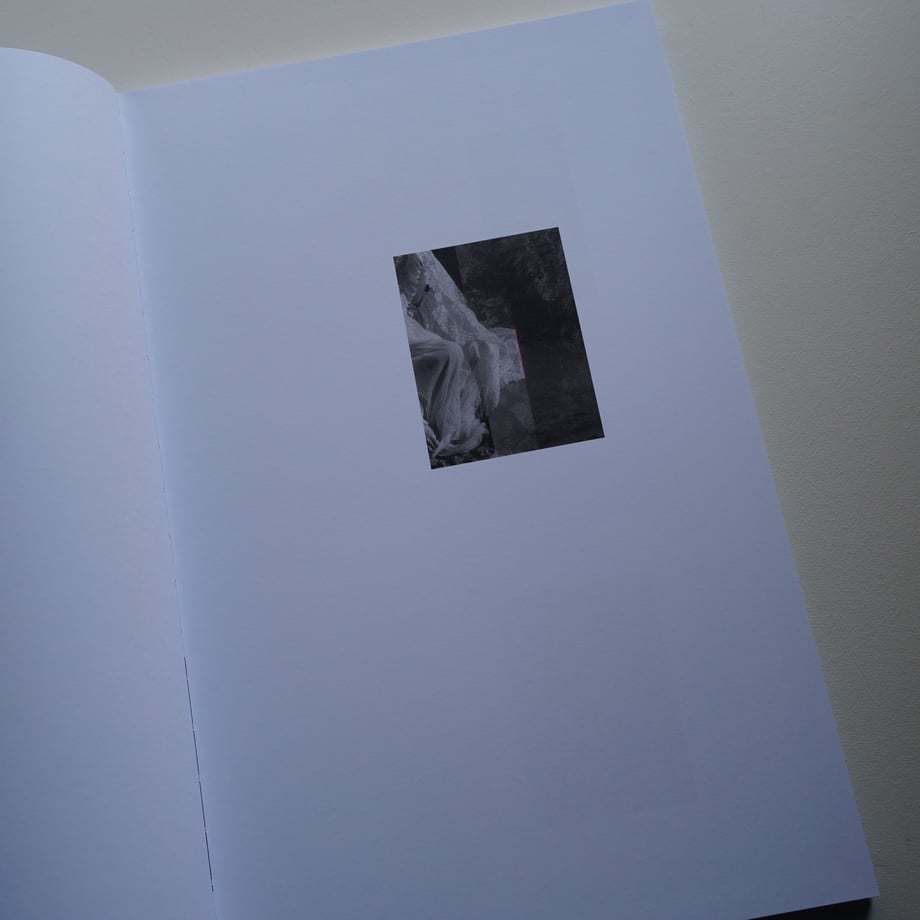
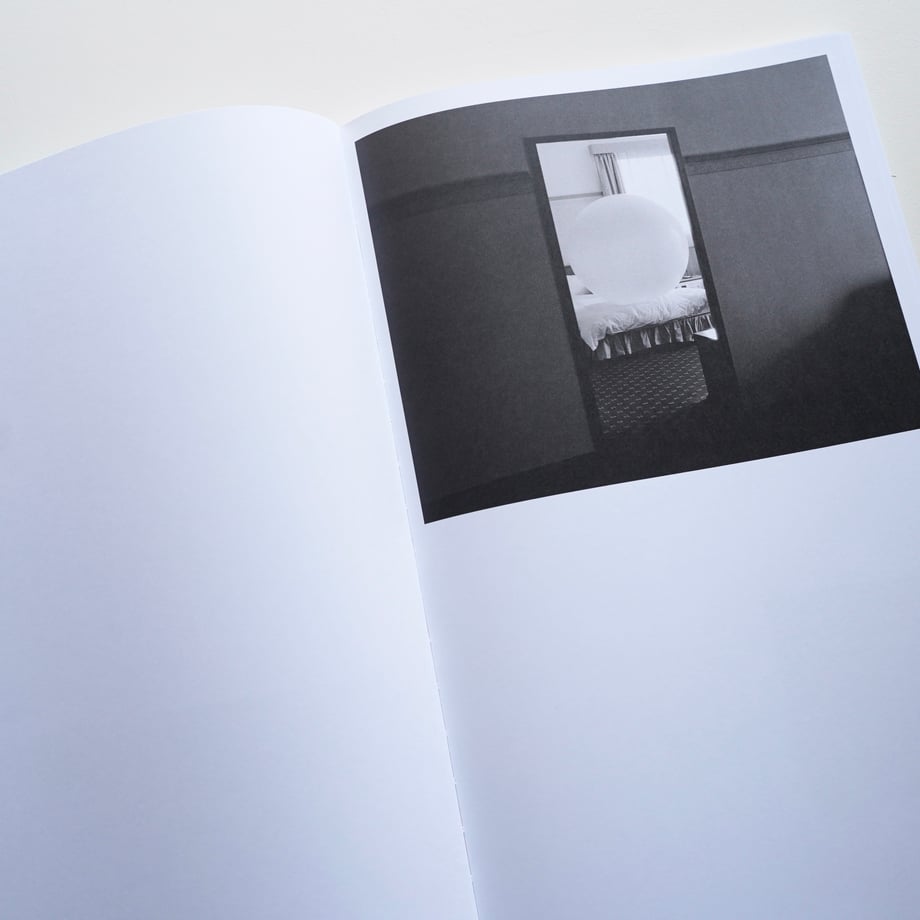
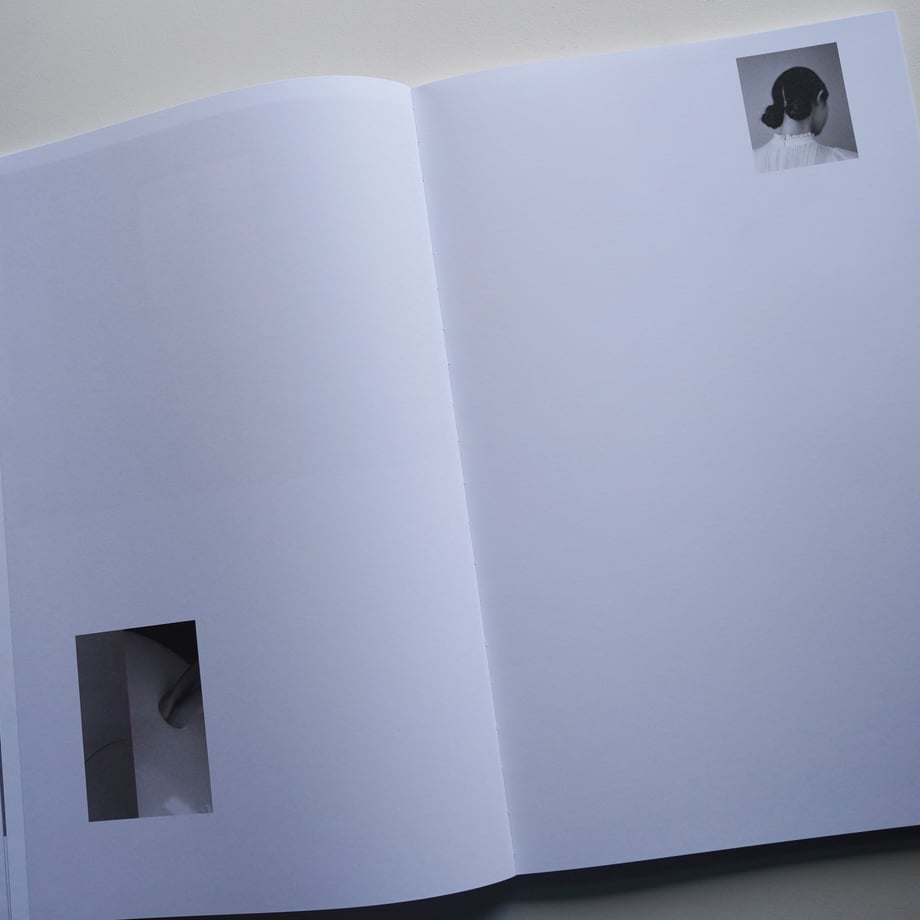
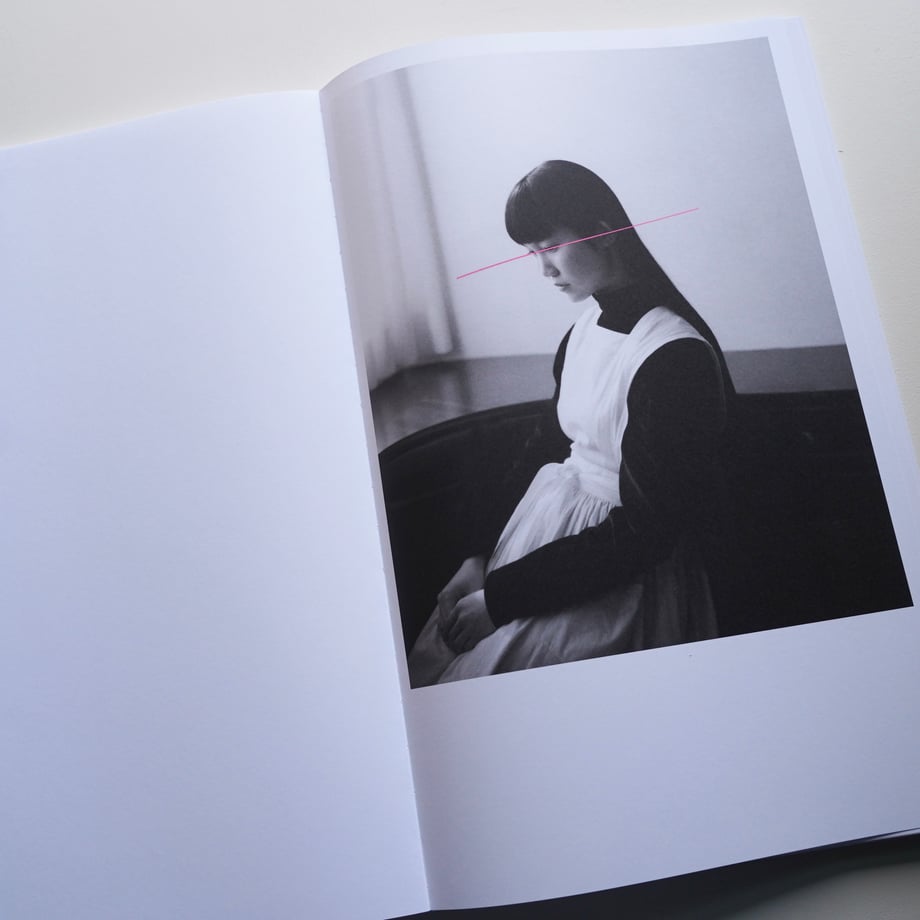
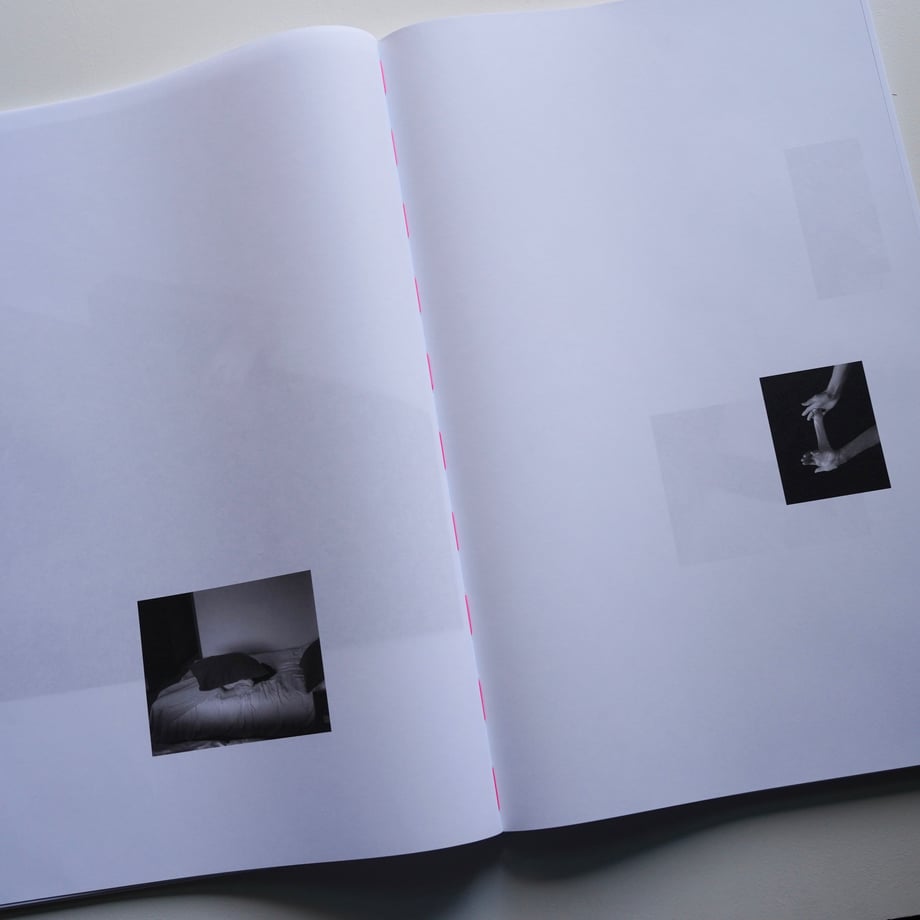
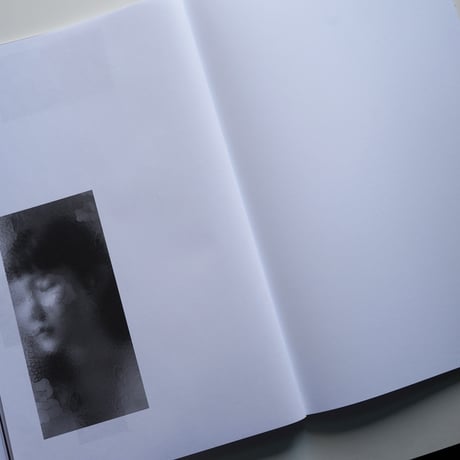
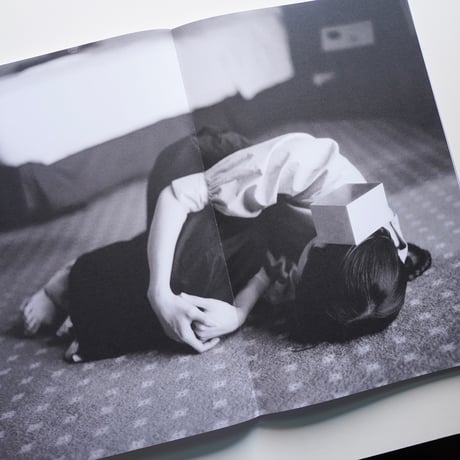
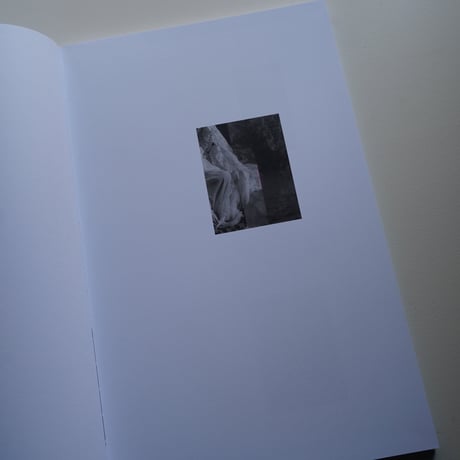
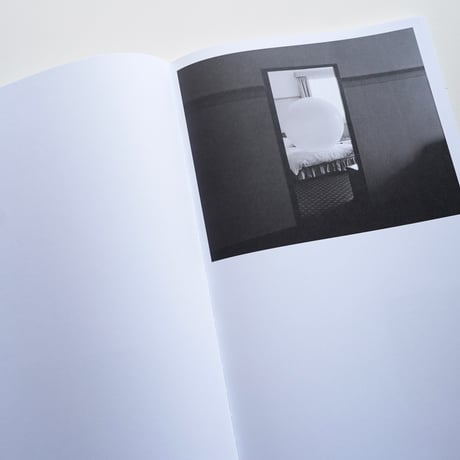
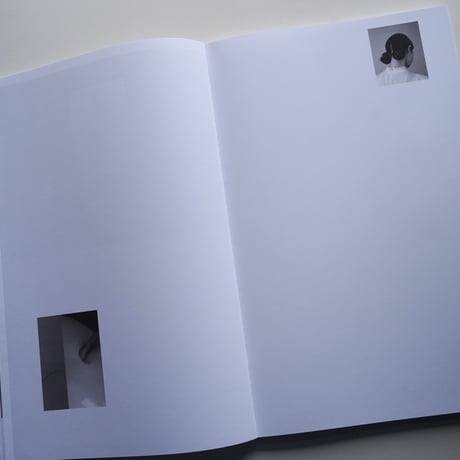
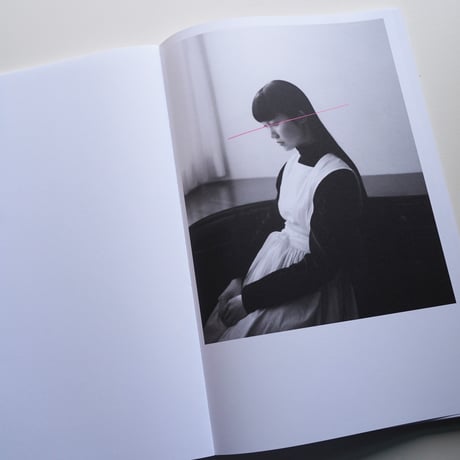
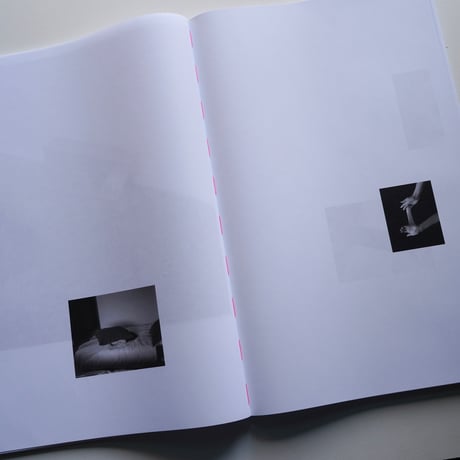
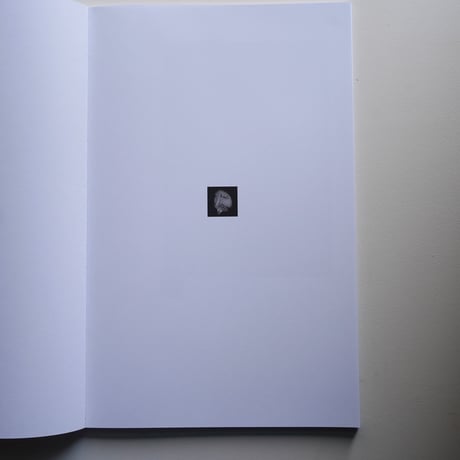
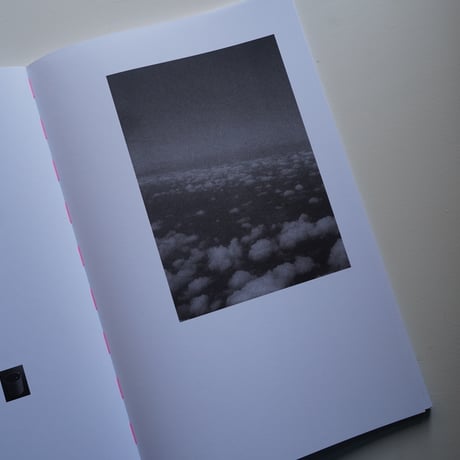
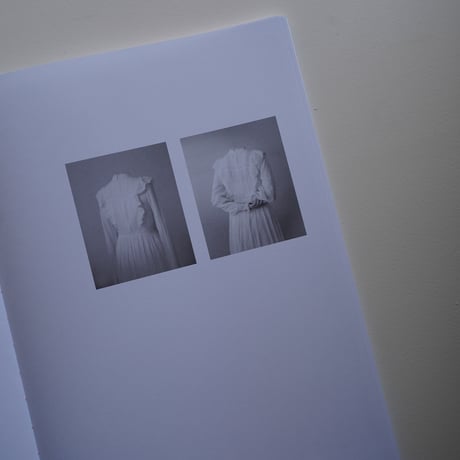
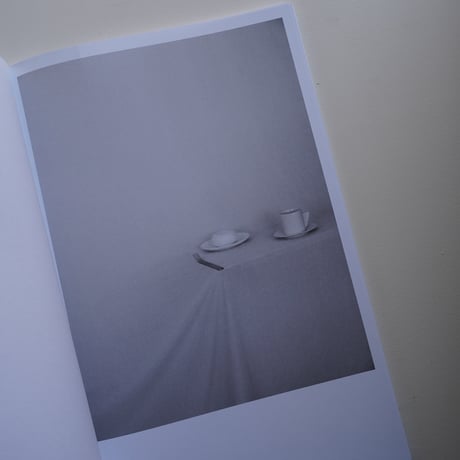
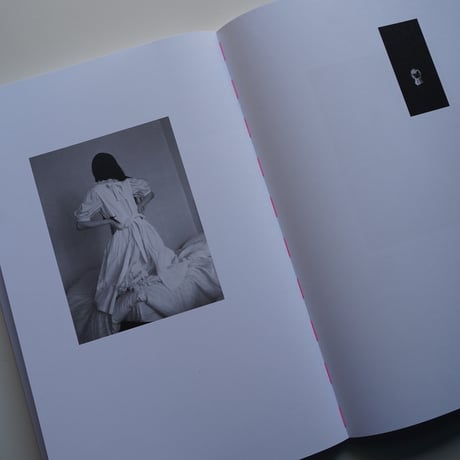
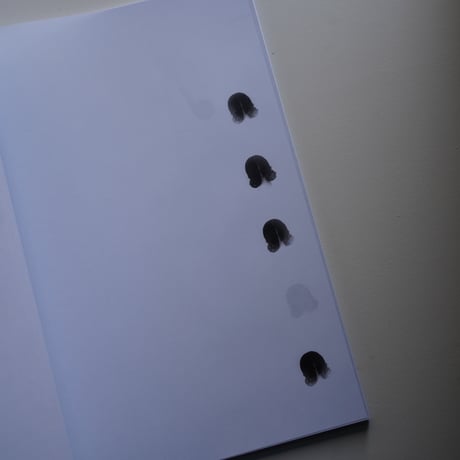
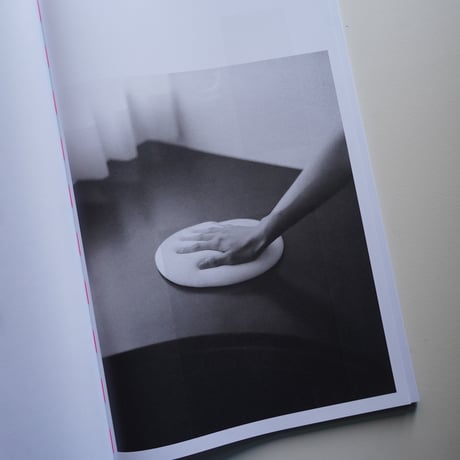
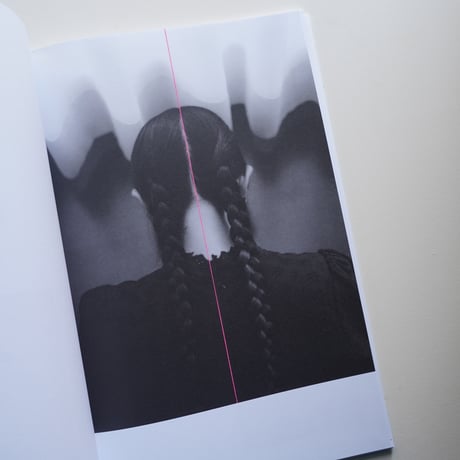
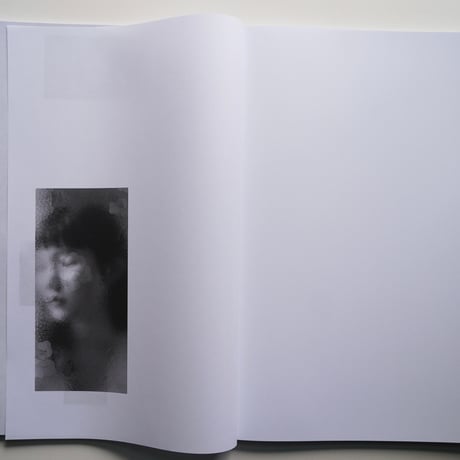
写真集『石と桃』では、空間と身体の関わり合い、感覚の混ざり合いが、本でしかできない試みを通して見事に結実しています。
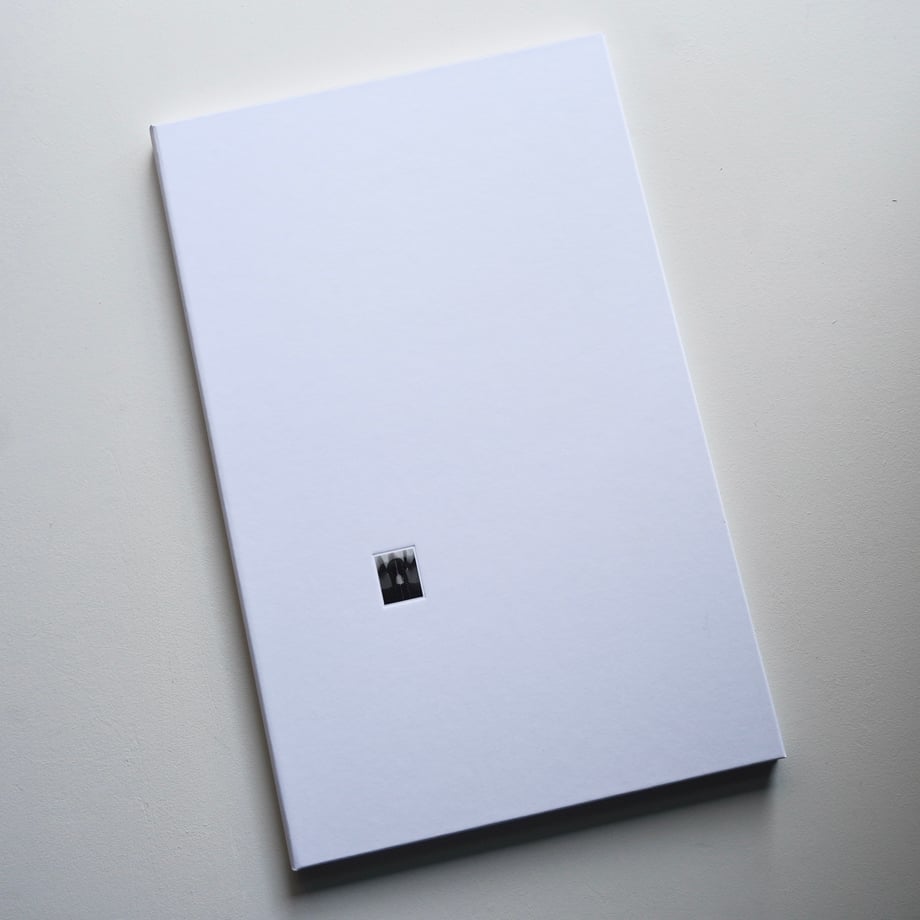
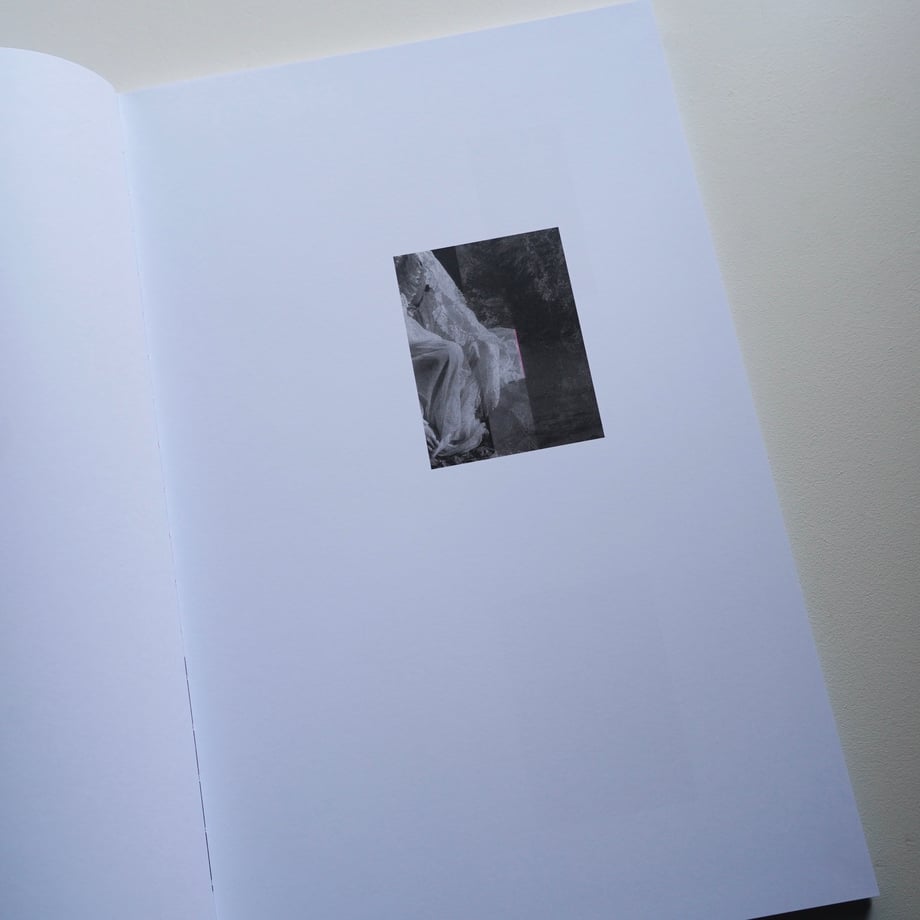
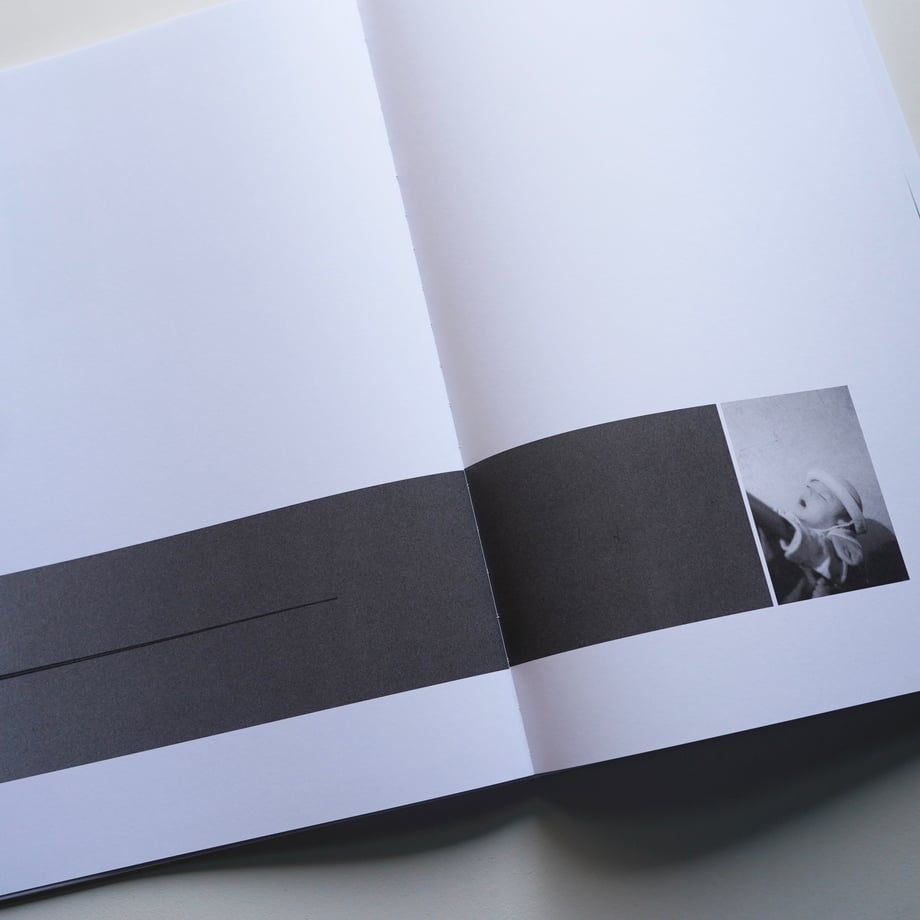
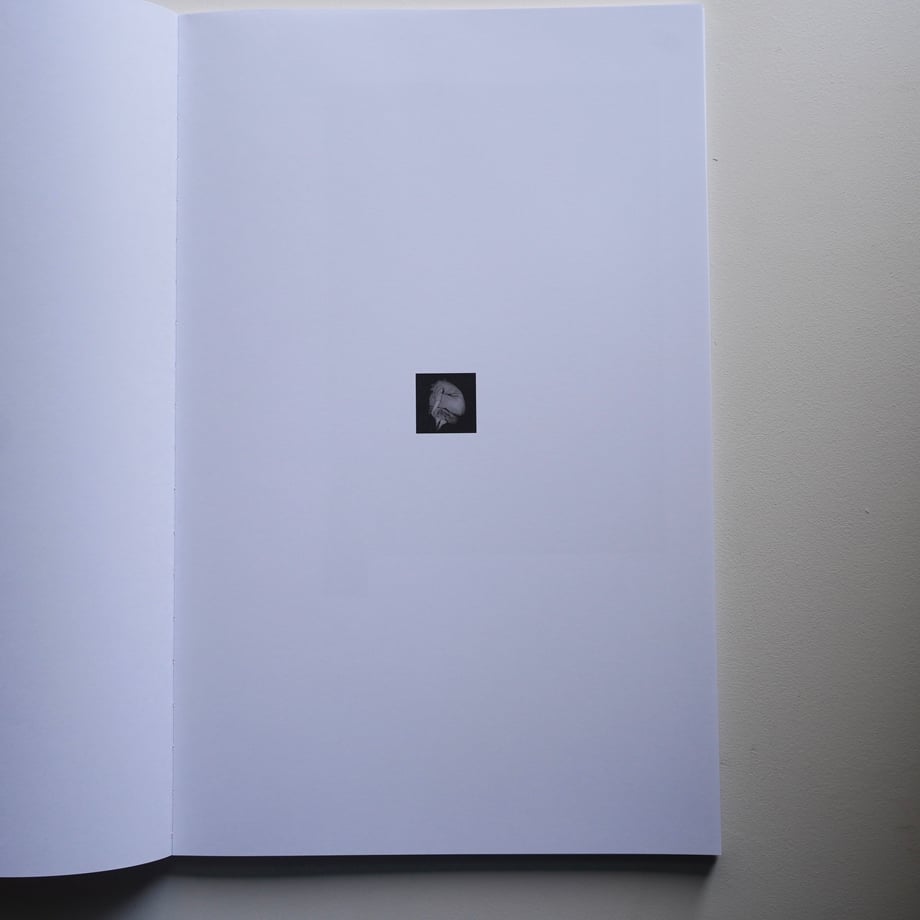
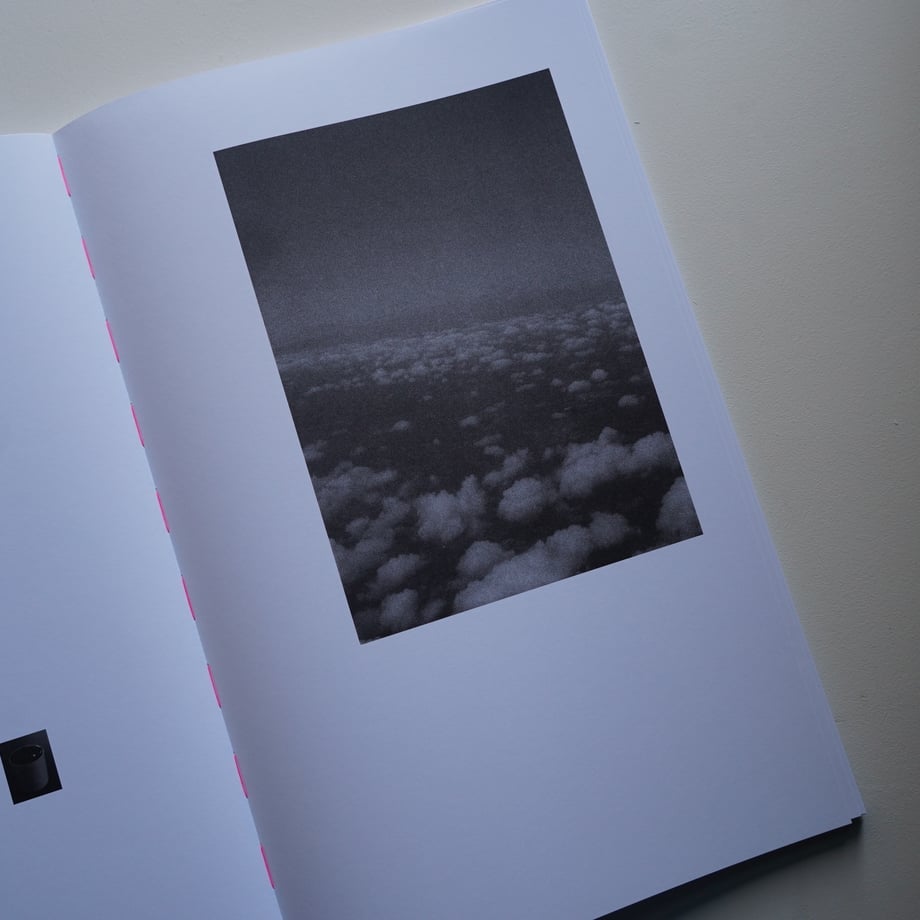
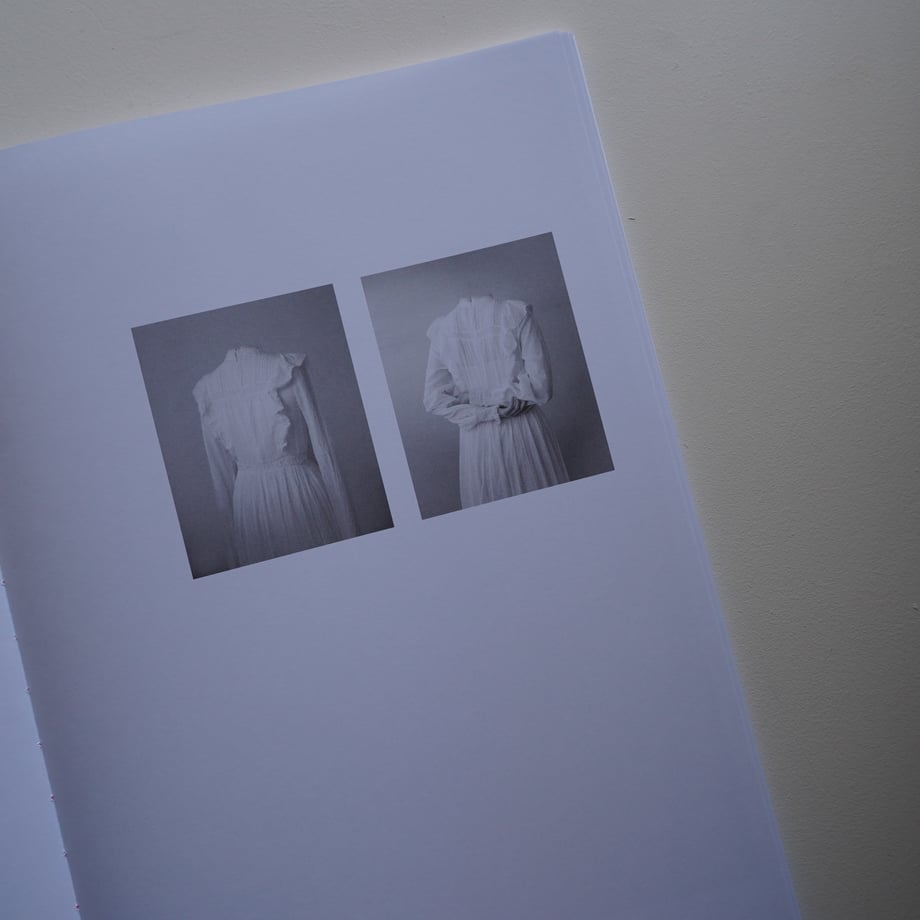
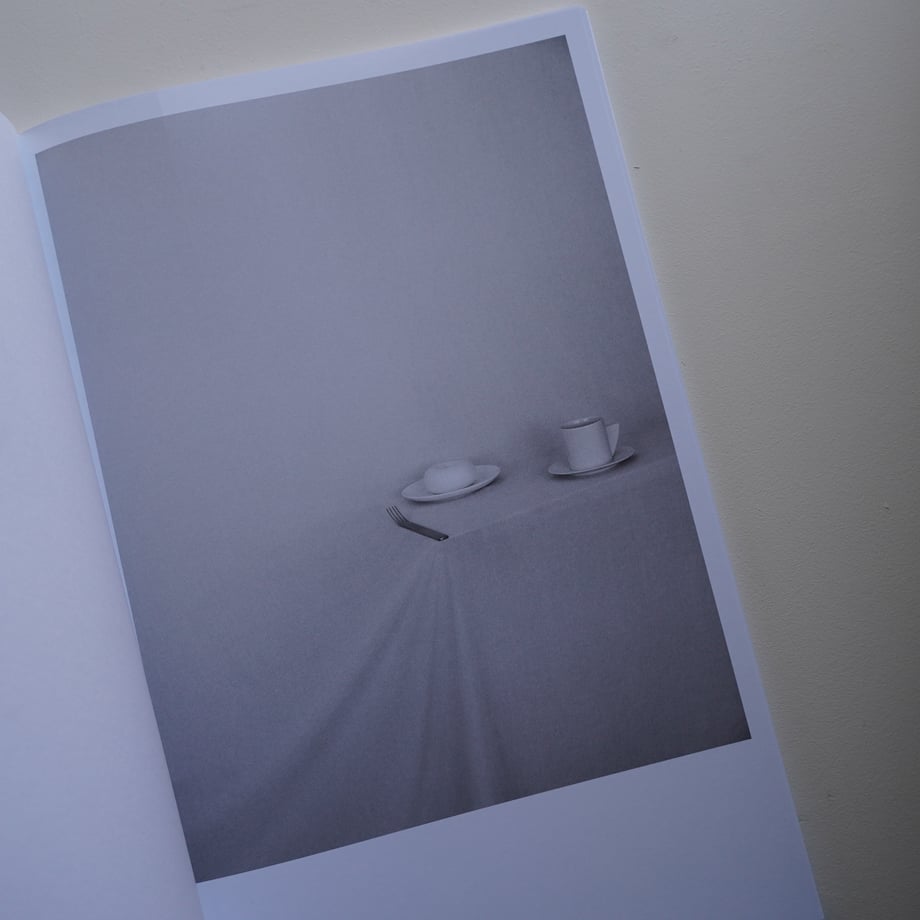
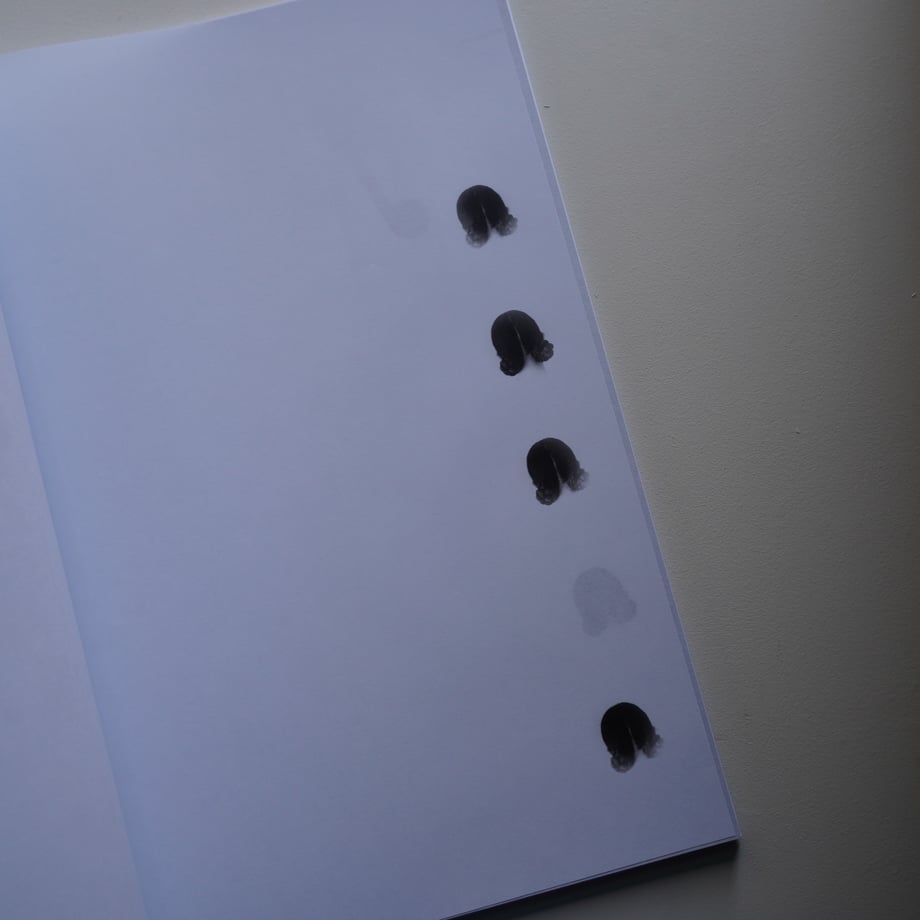
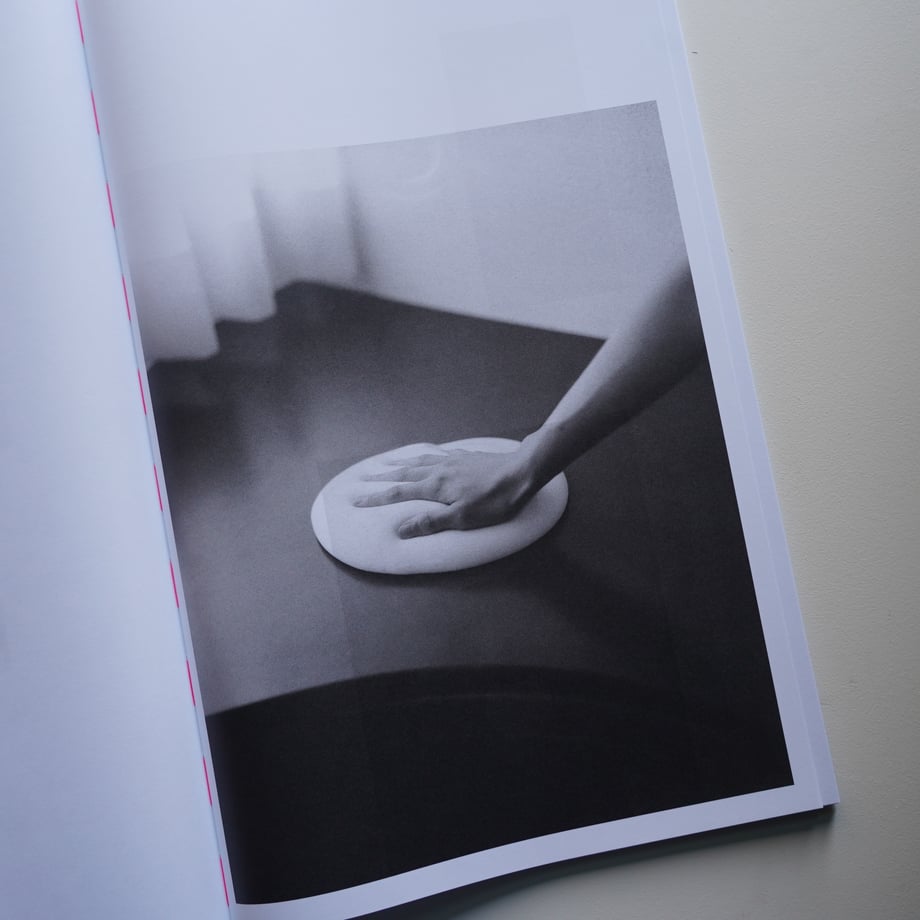
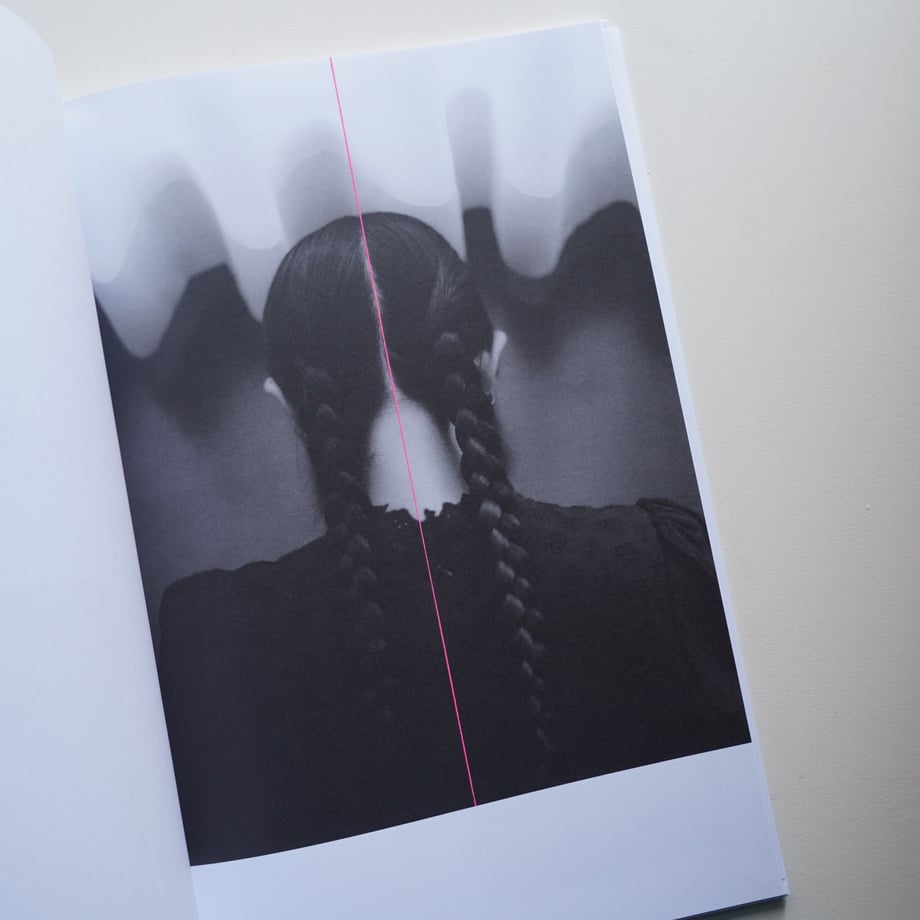
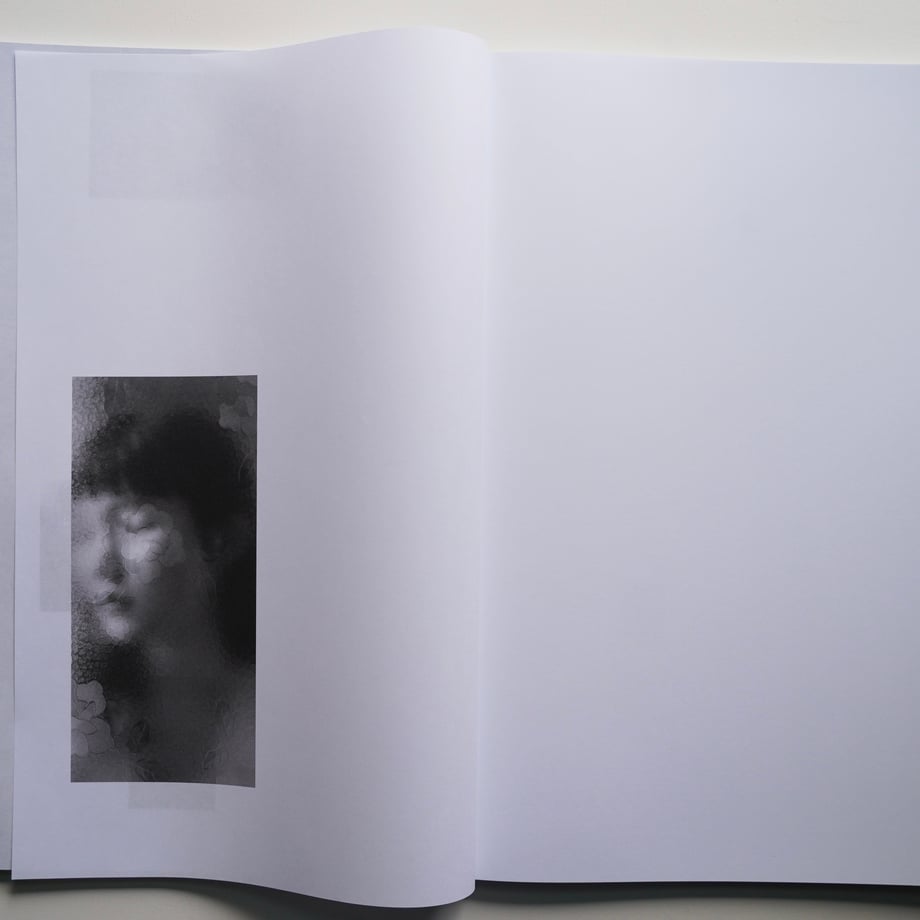
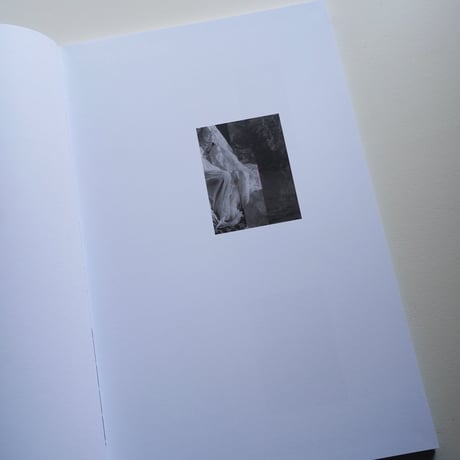
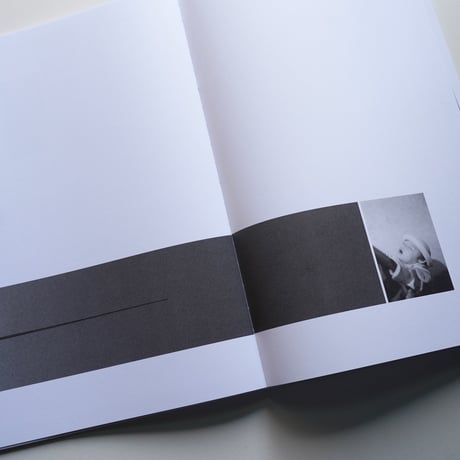
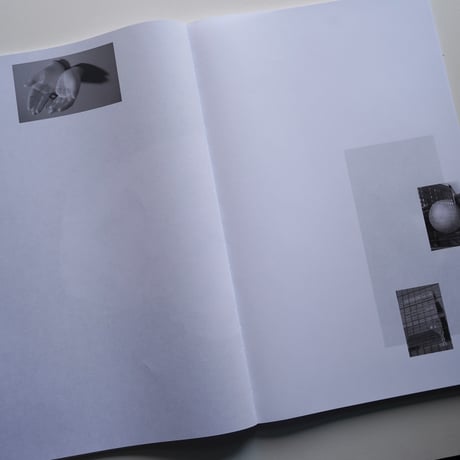
見ることと、そこに含まれる謎が幾重にも息づく写真。感覚の変容が繰り返し呼び覚まされる構成や、蛍光ピンクの糸かがりなど作品そのものを体現するかのような造本設計。体積のような余白の白。一枚一枚のページを横に進んでいくだけでなく、縦にも奥にも眼差しが向かいながら、写真の空間、本の空間、そして身体が関わり合う独自の体験が立ち上がります。
緻密に設えられた空間でありながら、写真には、"その瞬間に出会ってしまう"スナップの質が静かに流れています。
コントロールされた状況の中で、意図の外側からふいに立ち上がる光や気配。その"不可避の一瞬"を受けとめる姿勢が、木村の写真表現をスナップから今日へと連続させています。
わかる"と"わからない"の境界を飛び越え、知覚や認識の差異そのものが静かに立ち上がってくる── そんなあたらしい経験をもたらしてくれる一冊です。
見ることの豊かさと謎めきを湛える写真集『石と桃』。その感覚が、それぞれの身体に静かに宿ることを願っています。
counterpoint
Kazuhei Kimura
I had experienced certain symptoms since early childhood. Sensations that were essential to constituting who I am, yet which I felt were not worth sharing with others. For now, I will try listing them in the order I can recall:
・Colors and shapes appear distorted.
・Things I see feel either infinitely far away or extremely close.
・An image replays in my mind where parts that are black and white appear fluorescent.
・An image replays in my mind where hard, needle-like sharp objects and soft, mochi-like objects intersect.
・Mainly when lying down and looking up at the ceiling, the four corners of the room contract sharply.
・The faces of people in front of me appear enormous.
・The flow of time feels extremely fast or slow.
・During conversation, a certain phrase repeats rapidly in my mind.
These symptoms occurred routinely and naturally in my daily life, so I hardly ever spoke to those around me about them, and even when I finally did, they neither understood nor showed any interest. Yet, as a child, I think I felt more, or at least as much, a sense of being myself as the loneliness of not being able to share these experiences. In my daily life, I was rarely consciously aware of the symptoms, but they also never disappeared. And so, I grew up without knowing their true nature.
About seven or eight years ago, one day while browsing X (SNS), I came across a summary article. It was about a condition called "Alice in Wonderland Syndrome." The cuteness of the name, and some kind of premonition at the time, led me to click the link. As I read through the symptoms, almost all of them matched what I had experienced, and I was astonished. I can still vividly recall the shock I felt at that moment.
I learned that Alice in Wonderland Syndrome is a condition where, despite no abnormalities in vision, objects appear a different size than they actually are, and that it manifests various other symptoms such as abnormalities in color perception and time perception. True to its name, it was named after Lewis Carroll's Alice's Adventures in Wonderland, and it seems that Carroll himself, as well as Ryunosuke Akutagawa, also experienced similar symptoms. I felt both relief and disappointment that someone else had experienced the sensations I thought were unique to me, but above all, I was happy that these experiences finally had a name. Reflexively, I wanted to create work about Alice Syndrome.
Although I wanted to, years passed without achieving it. At the time, I had just begun photography, and I had no technical skills or knowledge. If I were to visualize the aforementioned symptoms, painting, collage, or animation would probably be more suitable, and many artists, including Lewis Carroll and Jan Švankmajer, had already produced high-quality works using such media. So then, what could photography do? Days passed while I pondered whether there might be a method, beyond merely visualizing the symptoms. At that time, I realized that what mattered was not wanting to do Alice's Adventures in Wonderland, but wanting to do "Alice in Wonderland Syndrome."
Although I was troubled by the symptoms of Alice Syndrome, I think I probably never actually suffered, and rather, I seemed to enjoy them. I have heard that there are people who do suffer, and perhaps my case is still mild. A fair amount of time has passed since I first conceived the idea. While I was dazing off, "Alice in Wonderland Syndrome" was featured in the media several times and became a more widely known condition. Until around age 26, the symptoms appeared routinely, but in recent years, the frequency of experiencing them has gradually decreased. Now, they appear only slightly, along with migraines, when I feel particularly fatigued. It feels as though the fairy I had carried on my shoulder for so many years has disappeared. It is sad to think that forgetting this would mean it never existed. I felt that I must preserve that sensation.
August 31, 2025 - Note added
It has been ten years since I began the idea of "creating a work about Alice in Wonderland Syndrome," and three years since I started presenting it in exhibitions. I have continued thinking about a single series, facing my body at each moment and incorporating new elements, and in a way, I have held five exhibitions presenting a sort of unfinished mass. At first, I chose to present only in exhibitions, thinking, "I do not feel like I can make this into a book," but through continued creation, the concept of a book gradually emerged, and I am pleased to be able to give it form in this way.
Since the beginning of the presentation of "counterpoint", there have been a few occasions when people have said things like, "You are sublimating pain and hardship into your work." Each time, I have asked myself whether that is really true, assuming the freedom of interpretation. Have I ever truly suffered, even once? In 2022, I spoke of the symptoms as fairies. I did not wish for them to disappear; rather, I wanted to build a good relationship with them.
This work is not meant to raise awareness of Alice in Wonderland Syndrome, nor to appeal to society about its difficulties. And now, the main purpose is no longer to reproduce the symptoms in photographs. Starting from a precious, yet standard experience for me, which bears the very conspicuous name "Alice in Wonderland Syndrome," I create the landscapes I want to see and photograph them. I arrange them under a few rules in a white room (or in a book) and allow people to enter the space. Beyond the judgment of "understood" or "not understood," they can enjoy seeing and the enigma itself, and contemplate the differences in human perception. Perhaps this is what the work is about.
The production as "counterpoint" will probably reach a conclusion here. Yet from now on, I will likely be unable to imagine anything without the experience of Alice in Wonderland Syndrome. This is because that state is my standard. Even if the symptoms no longer fully appear, I wish to continue facing the concerns in front of me, wrapped in this reliable
-出版社より
[condition] New 新書
[Artist] 木村和平 Kazuhei Kimura
[Publisher] 赤々舎
[size] H380mm × W240mm 96p
[Published] 2025
[ISBN] 978-4-86541-213-0